Most people visit the same desert spots in Dubai. But if you are looking forward to something truly different, there are quieter, hidden spots in the Dubai desert that are worth exploring. These hidden gems offer a unique kind of thrill rooted in tradition, peace, and authenticity.
In this article, you will find a practical checklist and essential tips for planning a unique desert safari—one that is away from the crowds, with better views, and a more local experience.
I. Planning Your Unique Desert Expedition
Planning is the key to exploring off-grid places safely. This section covers the strategic decisions you need to make before you pack.
Choosing Your Safari: Operator & Tour
- Choose Trusted Tour Operators: Book with travel companies like Trawey Tours that have expert guides aware of remote areas and who prioritize your safety above all else.
- Check for Permits: Some areas require advance permission or guided access. Always confirm this with your operator.
- Pick the Right Tour: Go for small groups or private tours if you want a raw, intimate desert exploration experience.
Timing Your Adventure
- Get the Right Timing: Early mornings and evening safaris are best for photography enthusiasts and provide a cooler experience.
- Skip the Daytime: Avoid the middle of the day, especially during summer months, to prevent heat exhaustion.
- Dietary Needs: Inform your tour operators early if you have any dietary preferences or restrictions.
Seasonal Packing Tips
- Winter: Pack warm clothes, scarves, and a beanie for cold nights (especially for overnight safaris).
- Summer: Pack extra sun protection and consider a cooling scarf for the heat.
II. The Essential Packing Checklist
Staying safe and comfortable during a remote desert safari is crucial to enhancing your experience.
Clothing and Accessories for Comfort
- Lightweight and Breathable Clothes: Choose fabric that wicks sweat away and helps you stay cool during the daytime.
- Full Coverage Outfits: Long-sleeved shirts and full-length pants will protect your skin from harsh dust particles and direct sunlight.
- Layer Up for the Evenings: Desert nights can get surprisingly cold. Carry a jacket or sweater for the evening safari, especially in winter.
- Choose the Right Footwear: Wear sturdy hiking footwear or closed-toe shoes. This will help you stay stable in the sand, rocks, and uneven ground.
- Sun Protection: Do not forget a wide-brimmed hat and UV-blocking sunglasses to stay safe under the strong desert sun.
Health and Safety Must-Haves
- Sunscreen (High SPF): Carry high-SPF, highly moisturizing sunscreen and reapply it every two hours.
- Lip Balm with SPF: Strong desert winds can cause dryness. Protect your lips with SPF-rated balm.
- Insect Repellent: Important for evening safaris and if you plan to be near any vegetation or water bodies.
- First-Aid Kit: Pack basics like band-aids, antiseptic, painkillers, and any personal medicines you consume daily.
- Stay Hydrated: It is very important to stay hydrated. Most trusted companies provide unlimited drinking water—make sure to check this before booking.
- Emergency Tools: Fully charge your phone and carry a battery backup. Emergency tools like a whistle, offline map, or GPS are recommended.
Gadgets and Gear for Navigation & Capture
While exploring off-grid places, carrying the right tools will help you capture the moment and navigate safely.
- Camera or Smartphone: To capture the beautiful, unexpected moments and landscapes.
- Binoculars: Ideal for spotting distant views or wildlife like desert foxes and migrating birds.
- Dustproof Bags: Essential to keep your camera and electronics protected from fine dust particles.
- Headlamp or Flashlight: Needed if you are exploring in the dark or in the early hours before sunrise.
- GPS or Offline Maps: Critical for navigation when mobile signals are hard to find.
- Power Bank: To keep your phone and gear charged all day.
III. Additional Gear by Activity
Depending on the specific mode of your safari, you may need a few extras.
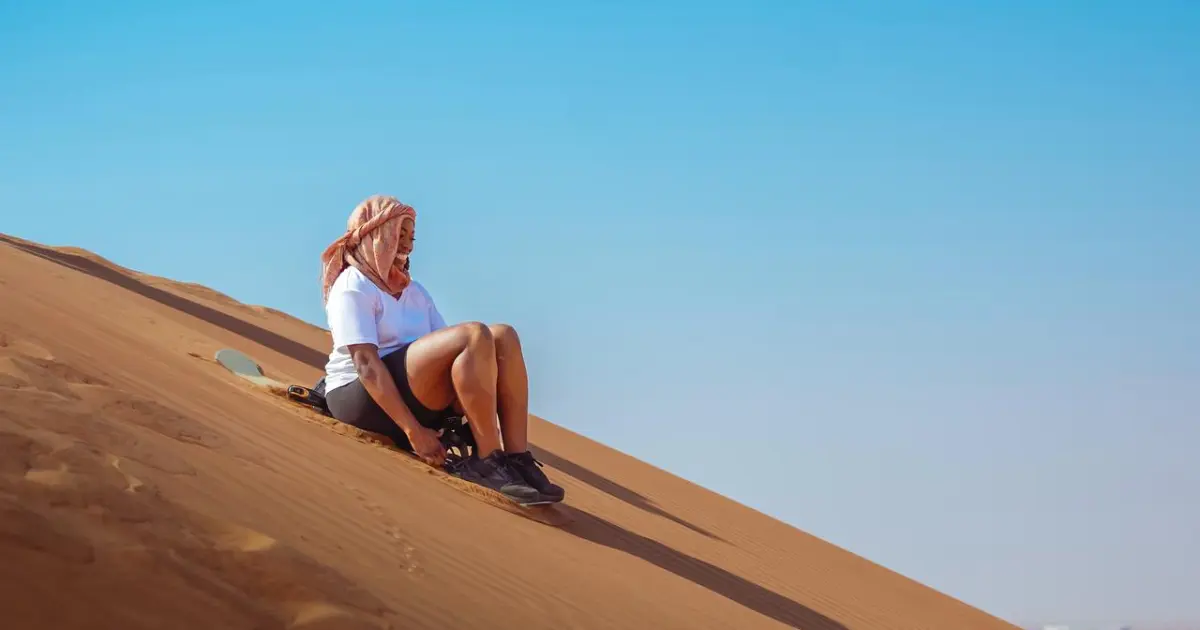
- Sandboarding Gear: If you are headed to non-touristy spots, it’s safer to carry your own gear.
- Quick Bites or Light Snacks: Pack some energy bars or dry snacks to have on the way, especially if you have a packed itinerary.
- Camping Gear: A compact tent, sleeping bag, and simple cooking essentials are needed if you are planning to stay overnight.
- Trash Bags: Always carry your own trash and make sure that you leave the desert pristine.
- Swimsuits: For unexpected desert pools or natural springs that you may find on the deepest routes.
IV. Respecting the Environment & Culture
Exploring the hidden spaces in the desert is exciting, but it’s also important to respect the people, culture, and nature you encounter.
Local Customs and Etiquette
- Dress Modestly: Make sure that you dress properly, especially when visiting local communities or cultural sites.
- Be Respectful: Join in the local cultural activities politely, like henna painting and live dance performances.
- Ask Before Clicking: Always take permission before taking photographs of local people, their rituals, or places.
Protecting the Desert Environment
- Leave No Trace: Make sure that you clean up after yourself. Do not litter.
- Protect Wildlife: Avoid harming any wildlife or plants you encounter. Observe from a distance.
Ready for Your Hidden Desert Adventure?
Now you know what to pack, how to stay safe, and how to respect the culture. With the right preparation, your trip to Dubai’s hidden desert gems will be unforgettable.
Trawey Tours makes sure that you get access to the best hidden spots in the desert and makes your safari more fun, exciting, and authentic.